


Typical Shelf Life of Sealed Honey Packets
When purchasing performance supplements like Kingdom Honey, Etumax, or Black Bull from Maxed Male, understanding the honey pack shelf life is critical for ensuring maximum potency. While raw, pure honey is known to last indefinitely, our specialized male enhancement packs are infused with active herbal ingredients such as Tongkat Ali, Panax Ginseng, and Bee Pollen. These organic additions mean our sachets typically have a shelf life of 2 to 3 years from the manufacturing date.
It is important to distinguish between “Best By” and strict expiration dates for these products:
- Best By: Indicates when the flavor and texture are at their absolute peak.
- Expiration (EXP): The critical date after which the potency of the herbal extracts may begin to degrade, potentially affecting the fast-acting energy boost you expect within that 30-minute window.
Always check the back of the individual sachet or the main box for the printed “MFG” (Manufacturing) and “EXP” dates to ensure you are consuming fresh, “Original” certified stock.
Why Honey Is Naturally Resistant to Spoilage
The primary ingredient in our Royal Honey blends is pure, organic honey, which acts as an incredible natural preservative for the potent herbs suspended within the gel. Honey is naturally resistant to spoilage due to its unique chemical composition, which creates an environment where bacteria and microorganisms cannot survive.
- Low Moisture Content: Honey contains very little water, preventing bacterial growth.
- Natural Acidity: The low pH level creates a barrier against contaminants.
This natural stability allows our honey packs to remain safe and effective at room temperature without requiring artificial preservatives. However, because these packs are high-potency blends containing organic larvae powder and root extracts, proper storage is still necessary to maintain the integrity of the bioactive compounds alongside the honey base.
The Science Behind Why Honey Packs Last So Long
At Maxed Male, we know that when you buy a box of Kingdom Honey or Black Bull, you expect potency every time you tear open a sachet. While the herbal blends like Tongkat Ali and Ginseng have a specific shelf life, the base ingredient—pure honey—is a biological marvel of preservation. Understanding the science helps explain why these energy boosters remain shelf-stable for years without artificial preservatives.
Low moisture + high sugar concentration
The primary reason our honey packs resist spoilage is simple: bacteria cannot survive in them. Honey is hygroscopic, meaning it has a very low water content but a high sugar concentration. This creates an environment where osmosis occurs.
Essentially, the sugar in the honey sucks the moisture out of any bacteria or yeast that tries to settle in. Without water, these microorganisms cannot grow or reproduce. This natural preservation method ensures that the core of our product remains safe to consume at room temperature. For a deeper dive into preservation, you can read more about how long honey will last and how to store it to keep your supply fresh.
Natural acidity (pH) + glucose oxidase (hydrogen peroxide)
Beyond just being dry and sweet, honey is naturally acidic. With an average pH between 3 and 4.5, it creates an environment that is too hostile for most spoilage bacteria to thrive.
Furthermore, when bees make honey, they secrete an enzyme called glucose oxidase. When this enzyme interacts with the small amount of water in the honey or moisture from the air, it produces hydrogen peroxide. This acts as a mild, natural antiseptic that further protects the honey pack shelf life. While our performance blends include organic herbs that dictate a 2-to-3-year expiration date for peak efficacy, these natural chemical properties act as the first line of defense against spoilage.
Key Factors That Affect Honey Pack Longevity
As a factory and wholesaler, we know that maintaining the potency of our products relies heavily on how they are handled before and after they reach you. While the honey base is robust, several external variables can shorten the lifespan of your supplements.
Packaging & seal integrity
The primary defense for any honey pack is the foil sachet itself. We utilize high-grade, airtight packaging for brands like Kingdom Honey and Black Bull to ensure no air or contaminants enter the product. If the seal is compromised—even a microscopic pinhole—oxygen and moisture will enter, leading to rapid fermentation or spoilage.
- Check the Sachet: Always inspect individual packets for bloating or leaks. A swollen pack usually indicates the seal failed and fermentation has started.
- Factory Seals: Our “Original” certified boxes come with tamper-evident seals. Keeping the sachets inside the original box adds a layer of physical protection against punctures.
Heat, light, humidity + added ingredients in specialty packs
Unlike a jar of pure table honey found in a pantry, male enhancement honey packs contain active herbal extracts like Tongkat Ali, Panax Ginseng, and Bee Pollen. These organic compounds are more sensitive to the environment than simple sugar syrup.
- Temperature: Excessive heat breaks down the chemical structure of the herbs, reducing their effectiveness. Storing packs in a hot car or near an oven will degrade the honey pack shelf life significantly.
- Light & Humidity: UV rays can alter the consistency of the gel, while high humidity promotes mold if the seal isn’t perfect.
- The Ingredient Factor: Because of the complex blend of herbs, strictly following storage guidelines is vital. You can learn more about the specific components that require careful preservation in our guide on what is in a royal honey pack. The added botanical ingredients mean these packs typically have a shelf life of 2 to 3 years, rather than the indefinite shelf life of plain honey.
How to Tell if a Honey Pack Has Gone Bad
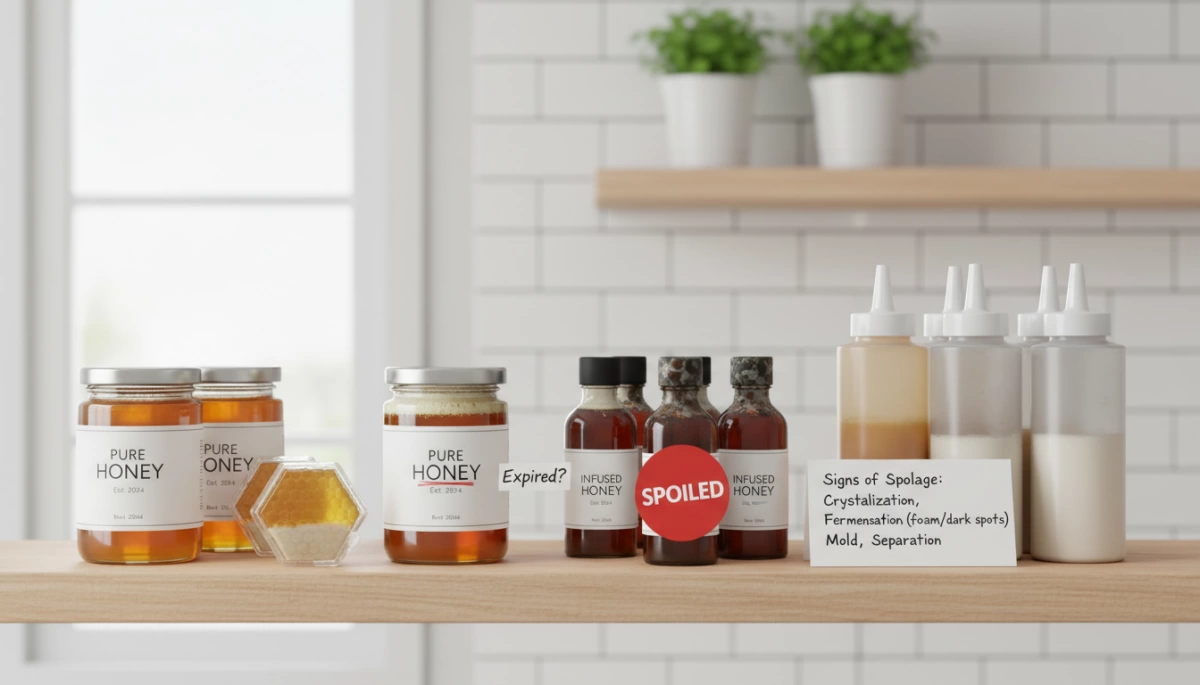
As a factory and wholesaler, we ensure every box leaves our facility in prime condition, but storage conditions on the receiving end play a huge role in longevity. While pure honey is famous for never really spoiling, the honey pack shelf life changes when we introduce bio-active ingredients like Tongkat Ali and Ginseng. You need to distinguish between natural aging and actual spoilage to ensure you are getting the experience you paid for.
Crystallization vs fermentation
Many customers mistake crystallization for spoilage, but they are completely different processes. If your sachet feels gritty or solid, that is crystallization. It is a natural process where glucose separates from water, and it is perfectly safe to consume. In fact, it often indicates high-quality, raw ingredients.
Fermentation, on the other hand, is a sign the product is compromised. This usually happens if moisture enters the packet, allowing yeast to grow.
- Check the seal: If the sachet looks bloated or puffed up, gas has built up inside due to fermentation.
- Safety rule: A bloated packet should be discarded immediately.
- Ingredients matter: Understanding what is a herbal honey pack helps you realize that the added botanical extracts make these blends more sensitive to moisture than standard table honey.
Color/texture changes + off-smells or unusual taste
Visual and sensory checks are the fastest way to verify quality. Over time, it is normal for Royal Honey to darken slightly, but drastic changes indicate improper storage.
- Smell Test: Fresh packs have a distinct earthy, sweet aroma. If you detect a sour, alcohol-like, or yeasty smell, the honey has fermented.
- Taste: Any sharp, acidic tang that wasn’t there before means the product has turned.
- Separation: Some separation between the honey and the herbal paste is normal. However, if the texture is slimy or there is a permanent separation that doesn’t mix back together with a quick knead of the sachet, the ingredients may have degraded.
If you are managing inventory for retail, always rotate your stock to keep the honey pack shelf life within the optimal 2-3 year window.
Best Practices for Storing Honey Packs
To ensure your inventory maintains maximum potency, proper storage is non-negotiable. As a wholesaler dealing with premium brands like Kingdom Honey and Etumax, we know that the way you store these products directly impacts their effectiveness. While pure honey is durable, the herbal blends in our products require specific care to maintain the honey pack shelf life.
Cool, dry, dark storage + keep packets airtight
The golden rule for preserving these supplements is consistency. You want to mimic the environment of a standard pantry. Heat and direct sunlight are the enemies of the active ingredients found in performance honey, such as Tongkat Ali and Ginseng. UV rays can break down the chemical compounds in the herbs, reducing the product’s strength over time.
For the best results, follow these storage guidelines:
- Temperature Control: Keep the packs at room temperature, ideally between 60°F and 80°F (15°C – 25°C).
- Avoid Moisture: Humidity can compromise the seal of the sachet. Store your individual packets of honey in a dry cupboard or drawer away from the stove or sink.
- Darkness is Key: Light exposure accelerates oxidation. Keeping the sachets inside their original box or an opaque container protects the integrity of the gel.
Why refrigeration is generally not recommended
A common mistake we see customers make is throwing their honey packs in the fridge, thinking it keeps them “fresher.” In reality, refrigeration is usually unnecessary and can actually degrade the user experience. Honey naturally crystallizes when temperatures drop below 50°F.
Here is why you should generally skip the fridge:
- Texture Issues: Cold temperatures cause the glucose in the honey to separate and harden. This makes the sachet difficult to squeeze out and creates a gritty texture that is unpleasant to consume.
- Condensation: Moving a cold pack into warm air creates condensation, which introduces moisture to the exterior packaging.
The Exception: The only time we recommend cooling your packs is if you live in an extremely hot climate where indoor temperatures regularly exceed 90°F. In that case, short-term refrigeration can prevent the sachets from becoming too runny or leaking.
What to Do with Crystallized or Older Honey Packs
Finding a sachet that feels hard or gritty doesn’t necessarily mean it belongs in the trash. Honey naturally wants to return to a solid state, a process known as crystallization. This is actually a sign of high-quality, real honey rather than high-fructose corn syrup synthetics. However, knowing how to handle these changes ensures you don’t waste your supply or consume something that has actually spoiled.
Safely decrystallize honey in a packet
If your Royal Honey or Black Bull sachet has crystallized, you can easily restore it to a smooth liquid gel without damaging the ingredients. The goal is to melt the glucose crystals without overheating the delicate herbal extracts like Tongkat Ali or Panax Ginseng.
- Warm Water Bath: Submerge the sealed sachet in a bowl of warm water (not boiling) for about 5 to 10 minutes. The temperature should be comfortable to the touch.
- Massage the Pack: Once warmed, gently knead the sachet with your fingers to break up any remaining clumps.
- Avoid Microwaves: Never microwave the foil sachet. High heat destroys the enzymes and reduces the potency of the performance blend.
Once the honey is liquid again, you can consume it directly. If you prefer to pour it out, make sure you know if metal spoons are safe with honey to avoid any potential chemical reactions that could alter the taste or quality.
Is it safe past the printed date? When to discard
While pure honey has an indefinite shelf life, the honey pack shelf life for performance supplements is different because of the added botanical ingredients. The herbs, bee pollen, and larvae powder mixed into brands like Etumax or Kingdom Honey can degrade over time. Generally, if a pack is a few months past the “Best By” date and has been stored correctly, it may just be less potent. However, there are clear signs that tell you to throw it away immediately:
- Bloated Packaging: If the sachet looks puffy or swollen, fermentation has occurred. Do not open it; discard it.
- Sour Smell: A strong smell of alcohol or yeast indicates the honey has fermented due to moisture exposure.
- Leaking Seals: If the packet feels sticky on the outside, the seal is compromised, and bacteria may have entered.
Frequently Asked Questions About Honey Packets
How long do honey packs last once opened?
Once you tear the seal on a sachet, you should consume it immediately. Our products are designed as single-serving doses (usually 10g to 20g) to ensure you get the full benefit of the active ingredients in one go.
Leaving a packet open exposes the herbal blend to air and moisture, which can degrade the potency and lead to spoilage. Do not try to save an open sachet for later; it gets messy and you lose that guaranteed freshness.
Do different types of honey expire at different rates?
Yes, the composition dictates the shelf life. While standard kitchen honey can remain edible for decades, performance supplements are a different story. Because our products are infused with organic herbs like Tongkat Ali and Ginseng, they have a specific expiration window—typically 2 to 3 years from the manufacturing date.
Understanding the key differences between royal honey and natural honey is important here; the added botanicals that drive performance are what limit the shelf life compared to plain honey. Always check the box or sachet for the “EXP” date to ensure you are getting the intended potency.
Can honey packets be frozen for long-term storage?
We generally do not recommend freezing your honey packs. While it won’t necessarily “spoil” the product, extreme cold can negatively affect the texture and consistency.
- Crystallization: Freezing accelerates the hardening process, making the gel difficult to consume directly from the sachet.
- Separation: Thawing might cause the herbal extracts to separate from the honey base.
For the best results, simply store your box in a cool, dry place at room temperature. That is sufficient to keep the honey pack shelf life stable without altering the quality.